

You might think paying more for silicon always yields a faster machine, but that is often just a marketing illusion. Sometimes, the best budget CPUs outperform expensive chips in simple, daily office tasks where complex parallel processing is unnecessary.
Finding these hidden gems requires looking past the flashy advertising. Let's see which classic and entry-level options actually deserve a spot in your next modest build.
Key Takeaways
- Prioritize single-core performance over core count if you mainly use the machine for word processing and basic web browsing.
- Verify your motherboard socket compatibility first, as older chips require specific hardware that is rarely interchangeable with modern designs.
- Check the thermal design power to ensure your cooling solution can handle the heat output without being excessively loud.
- Confirm the cache size before purchasing, because larger caches significantly improve how quickly the processor accesses frequent data.
- Balance the clock speed with the architectural generation, as a newer chip running at a lower frequency often beats an older, faster one.
| Entry Level Efficiency |  |
Intel Celeron G5905 3.5 GHz | High base clock speed | Reliable LGA1200 compatibility | Low power draw | View On Amazon | Read Review |
| Reliable Basic Computing |  |
Intel Celeron G5900 3.4 GHz | Consistent performance baseline | Easy to cool | Stable platform support | View On Amazon | Read Review |
| Value Performance Tier | 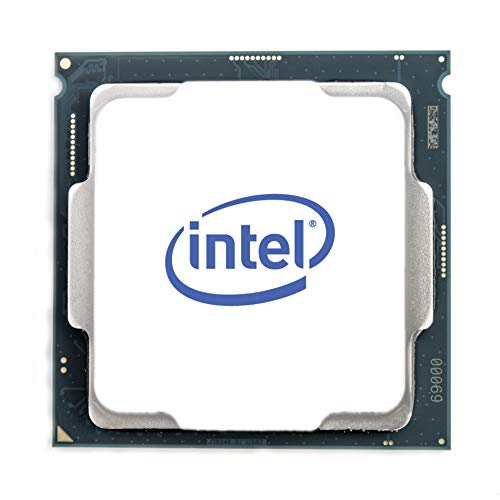 |
Intel Pentium Gold G5600F | Improved cache performance | Stronger clock speed | Great for home offices | View On Amazon | Read Review |
| Legacy System Support |  |
Intel Celeron G1610 2.60 GHz | Maintains older hardware | Very affordable replacement | Simple installation process | View On Amazon | Read Review |
| Multitasking Powerhouse |  |
Intel Core i5 10400 | Six processing cores | Versatile performance | Large cache capacity | View On Amazon | Read Review |
| Compact Build Essential | 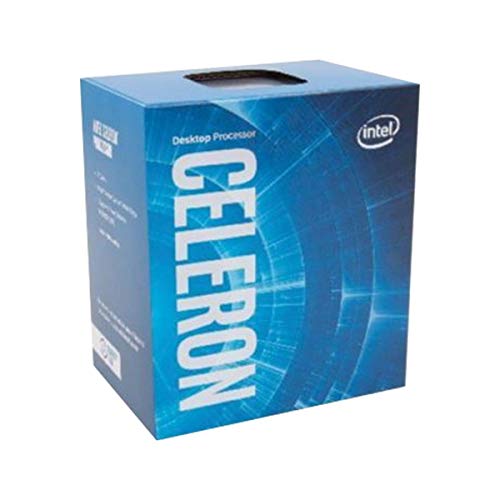 |
Intel Celeron G3930 7th Gen | Seventh generation architecture | Easy to keep cool | Small form factor friendly | View On Amazon | Read Review |
| Retro Enthusiast Choice | 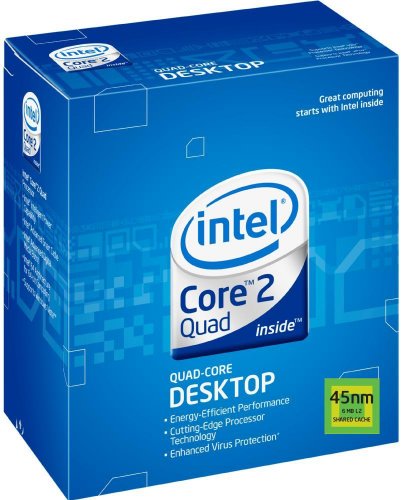 |
Intel Core 2 Quad Q9400 | Four core architecture | Vintage computing power | High compatibility range | View On Amazon | Read Review |
More Details on Our Top Picks
-
Intel Celeron G5905 3.5 GHz
If you are putting together a basic office machine or a home media server, this chip is your best friend. It handles standard daily tasks like web browsing and document editing with quiet reliability.
The 3.5 GHz clock speed provides enough zip to keep the interface feeling snappy during light use. But keep in mind that the two core design will struggle if you attempt to run heavy video editing software or complex gaming titles.
- Processor Series:Celeron G Series
- Core Count:2
- Clock Speed:3.5 GHz
- Socket Type:LGA1200
- Power Consumption:58W
- Additional Feature:Integrated graphics support
- Additional Feature:Efficient thermal profile
- Additional Feature:Budget friendly architecture
-
Intel Celeron G5900 3.4 GHz
Think of this processor as the steady workhorse for a machine that just needs to turn on and stay on. It is perfect for a simple point of sale terminal or a dedicated digital signage display.
You get a solid 3.4 GHz of performance that balances heat output and speed. Because it lacks hyper-threading, do not expect it to multitask between dozens of open browser tabs without showing some noticeable hesitation.
- Processor Series:Celeron G Series
- Core Count:2
- Clock Speed:3.4 GHz
- Socket Type:LGA1200
- Power Consumption:58W
- Additional Feature:Compatible with 400 series chipsets
- Additional Feature:Low thermal output
- Additional Feature:Standard desktop form factor
-
Intel Pentium Gold G5600F
This chip sits in that sweet spot where you get a bit more processing headroom than the entry level options. It works well for home users who want a bit more responsiveness during occasional software updates or spreadsheet management.
The F-series designation means you will need a dedicated graphics card to see anything on your monitor. This makes it a smart choice if you already have an old GPU lying around that you want to put to use.
- Processor Series:Pentium Gold
- Core Count:2
- Clock Speed:3.90 GHz
- Cache Size:4 MB
- Socket Type:FC-LGA14C
- Additional Feature:Enhanced cache speed
- Additional Feature:High frequency design
- Additional Feature:Dedicated GPU required
-
Intel Celeron G1610 2.60 GHz
Sometimes you have an older motherboard that simply refuses to quit, and that is where this chip shines. It is a specific solution for reviving aging hardware that uses the LGA 1155 socket architecture.
You are looking at modest power here, so it is best reserved for light administrative duties or simple file storage tasks. It is not going to win any speed races, but it will keep a legacy system breathing for a few more years.
- Processor Series:Celeron G Series
- Core Count:2
- Clock Speed:2.60 GHz
- Socket Type:LGA 1155
- Additional Feature:Low power consumption
- Additional Feature:Legacy architecture compatibility
- Additional Feature:Basic integrated graphics
-
Intel Core i5 10400
If you need to juggle several applications at once, this is the significant step up you are looking for. With six cores, it handles modern software and background processes far better than the two core chips on this list.
It is a fantastic choice for a balanced home office or a student computer that occasionally handles light creative work. The extra cores make a world of difference when you stop doing simple tasks and start actually getting things done.
- Processor Series:Core i5 10th Gen
- Core Count:6
- Clock Speed:2.90 GHz
- Cache Size:12 MB
- Additional Feature:Intel Smart Cache technology
- Additional Feature:Comet Lake architecture
- Additional Feature:Modern multitasking support
-
Intel Celeron G3930 7th Gen
This seventh generation chip is a classic choice for small form factor builds where space and heat are your primary concerns. It fits nicely into a compact home media box or a dedicated music streaming station.
While it is not built for heavy lifting, it is perfectly capable of playing back high definition video without a hitch. It is a quiet, unassuming component that just does its job in the background.
- Processor Series:Celeron G Series
- Core Count:2
- Clock Speed:2.90 GHz
- Additional Feature:Integrated graphics included
- Additional Feature:Efficient power management
- Additional Feature:Reliable stability
-
Intel Core 2 Quad Q9400
This is a piece of history that still holds some surprising utility for those who enjoy restoring older computer builds. The quad core setup was quite impressive in its day, and it can still handle basic web tasks.
Using this chip is really about the satisfaction of optimization and making old hardware feel new again. It is not suitable for modern gaming, but it has plenty of charm for a nostalgic hobby project.
- Processor Series:Core 2 Quad
- Core Count:4
- Clock Speed:2.66 GHz
- Cache Size:6 MB
- Socket Type:LGA775
- Additional Feature:EM64T instruction set
- Additional Feature:Multi-core design
- Additional Feature:Legacy socket support
Frequently Asked Questions
Do I really need to buy a separate cooling fan for a budget CPU?
Usually, the answer is no. Most budget-friendly processors ship with a stock cooler that is perfectly adequate for standard operation. You only need to invest in an aftermarket cooler if you plan on overclocking or if you keep your computer in a poorly ventilated space.
Will a budget CPU hold back a high-end graphics card?
Yes, this creates what we call a bottleneck. If the processor cannot keep up with the data requests from a powerful graphics card, your frame rates will suffer. It is much smarter to pair a modest CPU with a mid-range card for the best performance balance.
Is it better to save money on the CPU or the motherboard?
Spend your budget on the CPU first because it dictates your overall system speed. You can find a reliable, entry-level motherboard that provides all the features you need without paying for extra aesthetic flair. Prioritize processing power over expensive metal heat sinks or flashy lighting on your board.
Can I upgrade my budget CPU later on?
You certainly can, provided you keep your motherboard socket in mind. Check if your current motherboard supports future generations of the same chip manufacturer. This allows you to drop in a faster processor once prices fall or your needs change.
How much RAM do I need to pair with a budget processor?
Aim for 16GB of RAM to ensure your system does not choke during daily use. While 8GB is technically sufficient for the bare minimum, modern web browsers and background applications eat through that memory quickly. Providing your CPU with enough fast memory prevents it from waiting on data transfers from your storage drive.