

The screen flickers as you wait for a simple spreadsheet to load, the rhythmic hum of your cooling fan rising to an agitated whine. You know the hardware is holding you back, turning a productive morning into a slog through digital molasses.
Choosing the best budget intel CPUs requires a sharp eye for detail. A smart upgrade creates a quiet, efficient workspace that responds to your touch immediately. Here is how to find a processor that keeps up with your pace.
Key Takeaways
- Prioritize a higher core count if you frequently run multiple applications at once.
- Check that the processor socket type matches your existing motherboard to avoid compatibility issues.
- Look for an F-series model if you already own a dedicated graphics card.
- Consider the thermal design power to ensure your current cooling system can handle the heat output.
- Cache size often dictates how quickly your computer accesses frequently used data during daily tasks.
| The Budget Workhorse |  |
Intel Celeron G5905 3.5 GHz | Extremely low power draw | Reliable for basic tasks | Simple cooling requirements | View On Amazon | Read Review |
| Entry Level Multitasker | 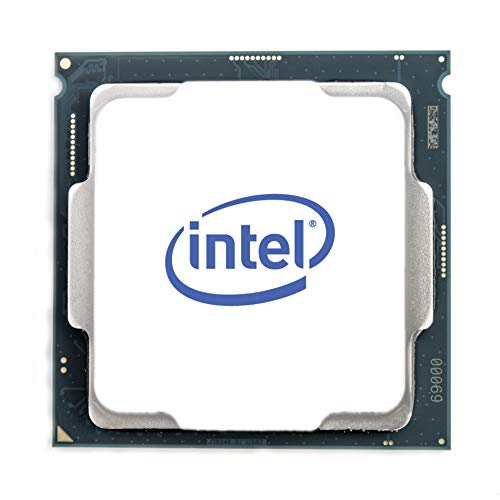 |
Intel Pentium Gold G5600F Processor | High clock speed | Solid value for money | Fits standard LGA1151 boards | View On Amazon | Read Review |
| Gaming Performance King |  |
Intel Core i5-12400F Processor | Six powerful cores | Excellent gaming efficiency | Modern platform support | View On Amazon | Read Review |
| Balanced Productivity Pick |  |
Intel Core i5-10400 Desktop Processor | Great multitasking capacity | Includes integrated graphics | Consistent thermal performance | View On Amazon | Read Review |
| Essential Thermal Management |  |
Cooler Master Hyper 212 Cooler | Exceptionally quiet operation | Four effective heat pipes | Universal mounting hardware | View On Amazon | Read Review |
| Ultra Low Budget |  |
Intel Celeron G5900 Processor | Very affordable entry point | Extremely energy efficient | Compact 58W design | View On Amazon | Read Review |
| Legacy System Support |  |
Intel Core i5-7500 Processor | Proven reliability | Good for legacy builds | Includes integrated graphics | View On Amazon | Read Review |
More Details on Our Top Picks
-
Intel Celeron G5905 3.5 GHz
If you are building a basic office machine or a lightweight home server, this processor is your go-to choice. It handles simple tasks like web browsing and document editing with reliable efficiency without asking much from your power supply.
But do not expect to play heavy games or edit 4K video on this chip. It is a dual-core entry point designed for low-demand computing environments where simplicity is the primary goal.
- Series Name:Celeron G Series
- Core Count:2 Cores
- Clock Speed:3.5 GHz
- Thermal Power:58W
- Socket Type:LGA1200
- Additional Feature:Integrated Intel UHD Graphics 610
- Additional Feature:Compatible with 400 series chipsets
- Additional Feature:Dual-core architecture
-
Intel Pentium Gold G5600F Processor
This chip offers a modest step up for those who need a bit more speed for daily applications. With a 3.90 GHz clock speed, it keeps your desktop feeling snappy while you switch between browser tabs and email clients.
It lacks integrated graphics, so you must pair it with a dedicated graphics card to see anything on your monitor. This makes it a smart choice for a low-cost system that already has a spare GPU lying around.
- Series Name:Pentium Gold
- Core Count:2 Cores
- Clock Speed:3.90 GHz
- Cache Size:4MB
- Additional Feature:Requires dedicated graphics card
- Additional Feature:Ideal for home office
- Additional Feature:Efficient 14nm architecture
-
Intel Core i5-12400F Processor
The i5-12400F is a powerhouse that brings modern architecture to your gaming rig without the steep cost of higher-tier chips. It features six cores that handle contemporary games and demanding productivity software with ease.
Like the Pentium Gold, this model does not have integrated graphics, but the trade-off is well worth it for the raw performance you get in return. It acts as the backbone of a high-performance system that won't break the bank.
- Series Name:Core i5 12th Gen
- Core Count:6 Cores
- Clock Speed:2.5 GHz
- Socket Type:LGA1700
- Additional Feature:Supports DDR4 and DDR5 memory
- Additional Feature:Intel Turbo Boost technology
- Additional Feature:No integrated graphics
-
Intel Core i5-10400 Desktop Processor
If you need a reliable middle ground for both work and play, the i5-10400 is a sturdy candidate. It balances six cores and twelve threads, which allows for decent multitasking performance when you have many applications open at once.
It runs cool and fits into older, more affordable motherboards, making it a cost-effective upgrade for a home desktop. You will appreciate the integrated graphics, which save you from needing a separate card for standard tasks.
- Series Name:Core i5 10th Gen
- Core Count:6 Cores
- Clock Speed:2.90 GHz
- Cache Size:12MB
- Additional Feature:Hyper-Threading technology included
- Additional Feature:Intel UHD Graphics 630
- Additional Feature:Compatible with 400 series boards
-
Cooler Master Hyper 212 Cooler
While this is not a processor, your CPU will thank you for adding this reliable air cooler to your build. It uses four heat pipes to move warmth away from your chip, ensuring your processor stays within safe temperature ranges under heavy loads.
It operates quietly, meaning your computer won't sound like a jet engine during late-night work sessions. Think of it as a breath of fresh air for a hardworking CPU that tends to run hot.
- Additional Feature:PWM fan for speed control
- Additional Feature:Sleek black aesthetic
- Additional Feature:Easy installation process
-
Intel Celeron G5900 Processor
For the most basic computing needs, the G5900 offers a minimalist approach to building a computer. It is perfect for a dedicated media server, a simple point of sale terminal, or a basic home office machine.
This chip is a no-frills solution that gets the job done without extra heat or power consumption. You should keep your expectations grounded, as this is meant for simple, single-threaded tasks rather than heavy computational work.
- Series Name:Celeron G Series
- Core Count:2 Cores
- Clock Speed:3.4 GHz
- Thermal Power:58W
- Socket Type:LGA1200
- Additional Feature:Integrated Intel graphics
- Additional Feature:Ideal for basic servers
- Additional Feature:Low thermal output
-
Intel Core i5-7500 Processor
The i5-7500 is a classic choice if you are maintaining an older system or finding parts for a budget-friendly restoration project. It provides enough power for standard office tasks and home entertainment playback.
While it lacks the core counts of newer chips, it remains a dependable workhorse for older hardware configurations. It sits comfortably in the middle of the performance spectrum for legacy desktop users who want to avoid a full platform overhaul.
- Series Name:Core i5 7th Gen
- Core Count:4 Cores
- Clock Speed:3.4 GHz
- Cache Size:6MB
- Additional Feature:Intel HD Graphics 630
- Additional Feature:Supports DDR4 memory
- Additional Feature:Established performance history
Frequently Asked Questions
Do I need a fancy motherboard for a budget Intel chip?
Not at all. You can usually pair a budget CPU with a B-series motherboard, which offers all the essential features without the high price of premium boards. Avoid the entry-level H-series if you want better connectivity options for your storage and extra devices.
Is it worth buying an older generation CPU to save money?
It depends on the price gap. Older chips are often cheaper, but they might lack support for faster DDR5 memory or modern security updates. Stick to the last two generations to ensure your system remains relevant for years.
How much RAM should I pair with a budget processor?
Aim for 16GB of RAM as your baseline for any modern build. Anything less will limit your CPU, making the computer feel slow even if the processor is capable. If you can budget for it, 32GB provides a comfortable buffer for heavy browser tab usage.
Does the stock cooler in the box work well enough?
Intel provides a basic cooler with most non-K series processors, and it works fine for standard office work or light gaming. If you notice the fan getting loud or the temperature rising during long sessions, a cheap third-party air cooler will be much quieter and more effective. It is a small investment that yields a much more pleasant experience.
What does the K suffix mean on Intel chips?
The K suffix means the chip is unlocked for overclocking, allowing you to manually increase its speed. Budget builds rarely benefit from this, as it requires a more expensive motherboard and a better cooling system. You are better off putting that extra money toward a faster graphics card or more storage.